


3 december
Poland and its Artists
Poland is establishing itself as a strategic place at the heart of Central Europe. With GDP growth projected at around 3% in 2024–2025 among the strongest in the EU, and substantial investment in the energy transition (notably through the REPowerEU Plan), the country offers exceptional development potential.
A long-standing presence and leading positions
Established in Poland since 2001, the Group now employs more than 3,700 people and holds leading positions in its historic businesses: retail banking with CA Bank Polska, and leasing through Crédit Agricole EFL. CA Assurances, Amundi, and CA Auto Bank complete this presence.
An ideal playing field for CACIB
A dynamic market, with strong ambitions in terms of economic sovereignty and decarbonisation, and the rapid modernisation of infrastructure: Poland brings together all the conditions for CACIB to deploy its expertise in support of corporates, particularly MNC clients, and strategically important mid-cap companies.
Beyond the numbers: Poland’s creative diversity
Marie Curie, Frédéric Chopin, Lech Wałęsa, more than 20 Nobel Prize laureates of Polish origin, and thousands of major artists who have redefined every aspect of culture and science… Poland is far more than a market, it is a source of inspiration for all of us. Let us now set out to discover cultural Poland: contemporary painters, musicians, poets, filmmakers…
To help you with this, here is a seven-step journey, along with a playlist to extend the experience.
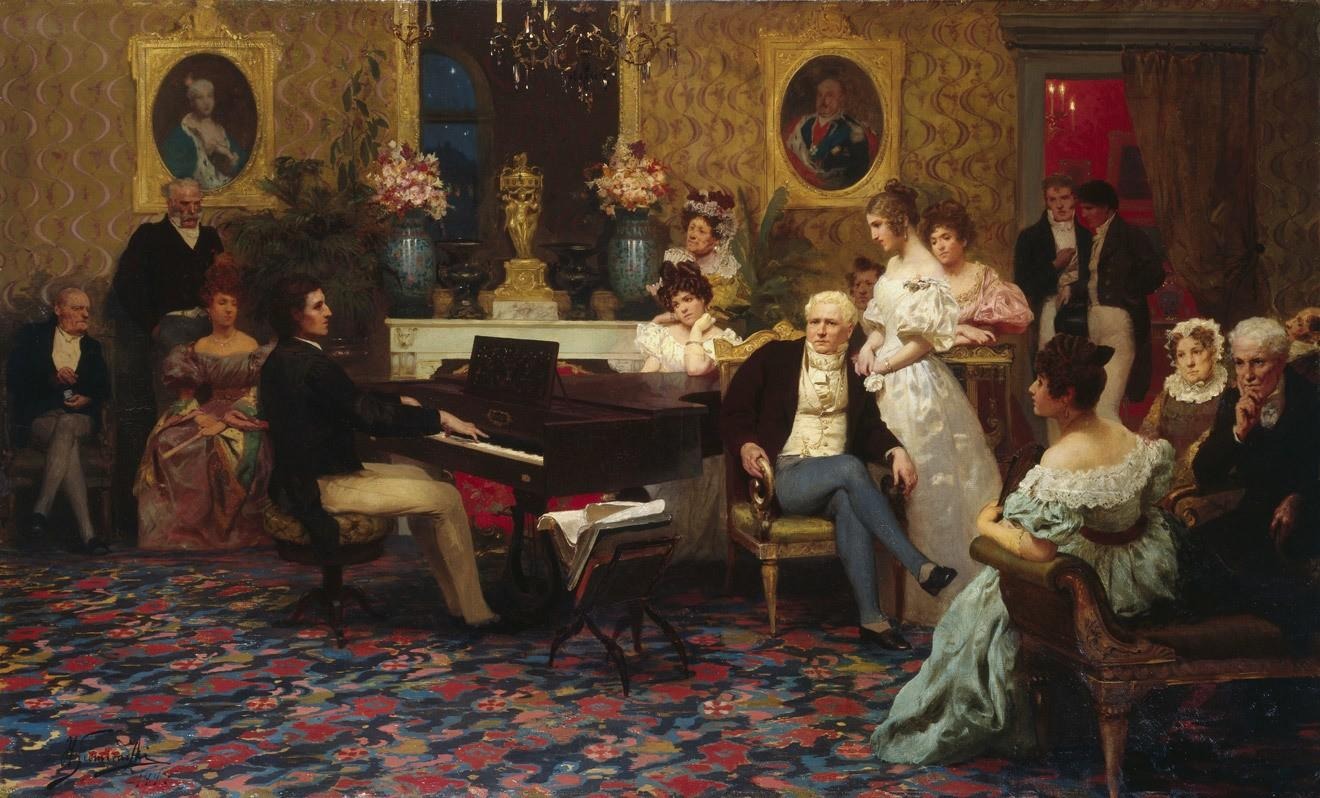
1. Frédéric Chopin: Nostalgia as a Creative Force
A symbol of Romantic Poland, Chopin was born in Żelazowa Wola and raised in Warsaw, where he developed a unique style blending folk traditions with classical virtuosity. By composing the traditional dances of his homeland (mazurkas and polonaises), he gave a national voice to his art. Exiled in France from 1830 onward, he achieved immense fame, yet his music remained steeped in the nostalgia of his homeland.
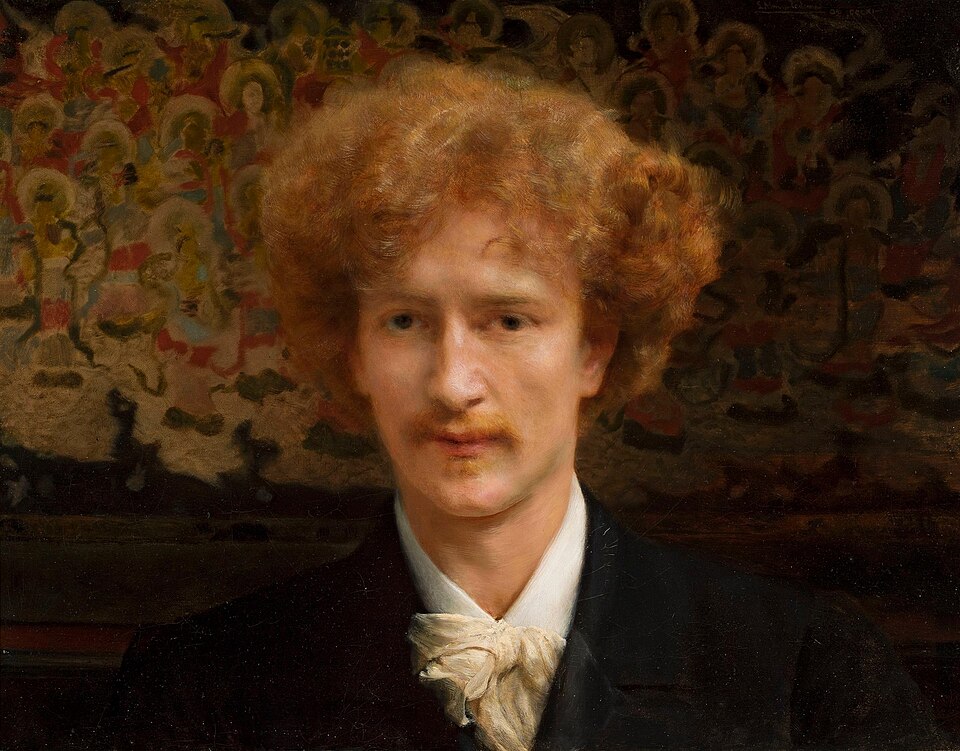
2. Ignacy Jan Paderewski: When Art Becomes Political Action
From his earliest performances, Paderewski (tracks 5 and 12) impressed audiences with his virtuosity, filling concert halls across Europe and the United States. His talent, intelligence, and vision opened doors in diplomatic circles. During World War I, he persuaded the Allies of the need for an independent Poland and became Prime Minister to negotiate the Peace Agreements and the Treaty of Versailles—a rare example of a musician changing the fate of a nation.
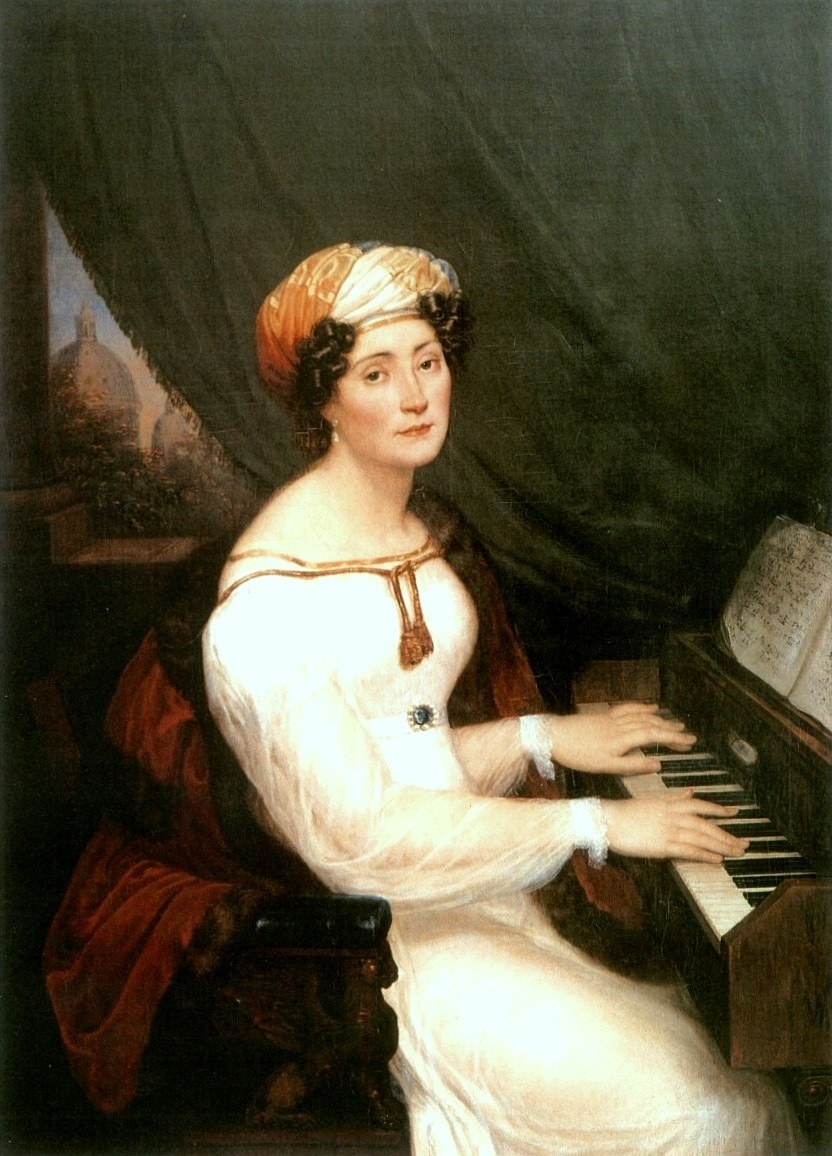
3. Maria Szymanowska: Pioneer and Piano Virtuoso
Szymanowska (tracks 4 and 7) was one of the first Polish musicians to gain European fame. As a composer and performer, she played a central role in spreading the emerging Romantic style and inspired generations of pianists. Her nocturnes and piano pieces, marked by refined elegance, left a lasting mark on Polish music history and paved the way for the great composers of the 19th century.
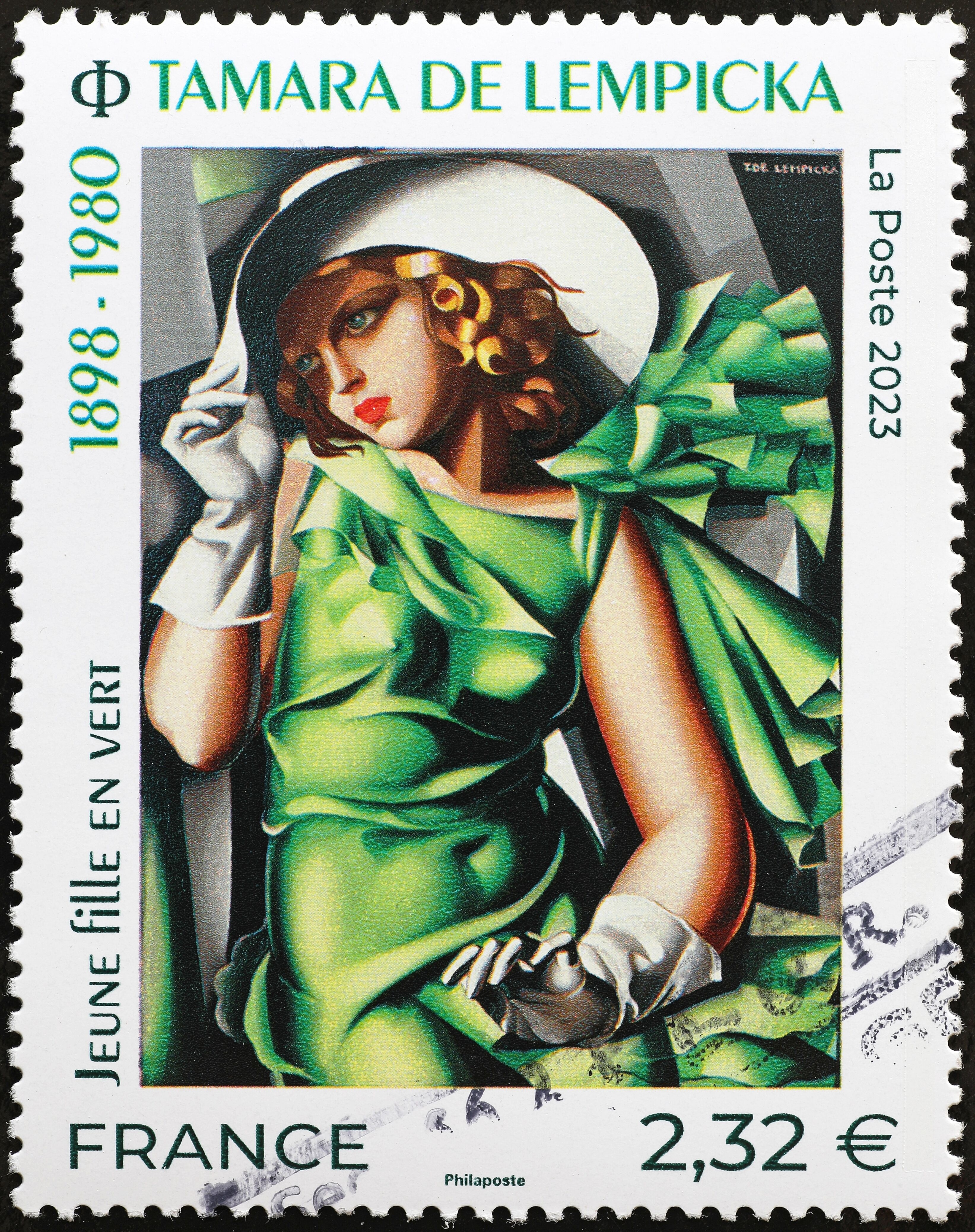
4. Tamara de Lempicka: The Icon of Art Deco
Lempicka embodies Art Deco itself. Trained in Paris, she developed an instantly recognizable style: geometric forms, sculptural volumes, and elegant sensuality. Her portraits of women, such as Young Girl in Green, reflect female emancipation and the refinement of the Roaring Twenties.
5. Krzysztof Kieślowski: The Art of Questioning Fate and Intimacy
Kieślowski transformed European cinema by exploring human complexity. Through The Decalogue and the Blue / White / Red trilogy, he probes morality, freedom, chance, and the fragility of human relationships, revealing the depth hidden within our most ordinary choices.

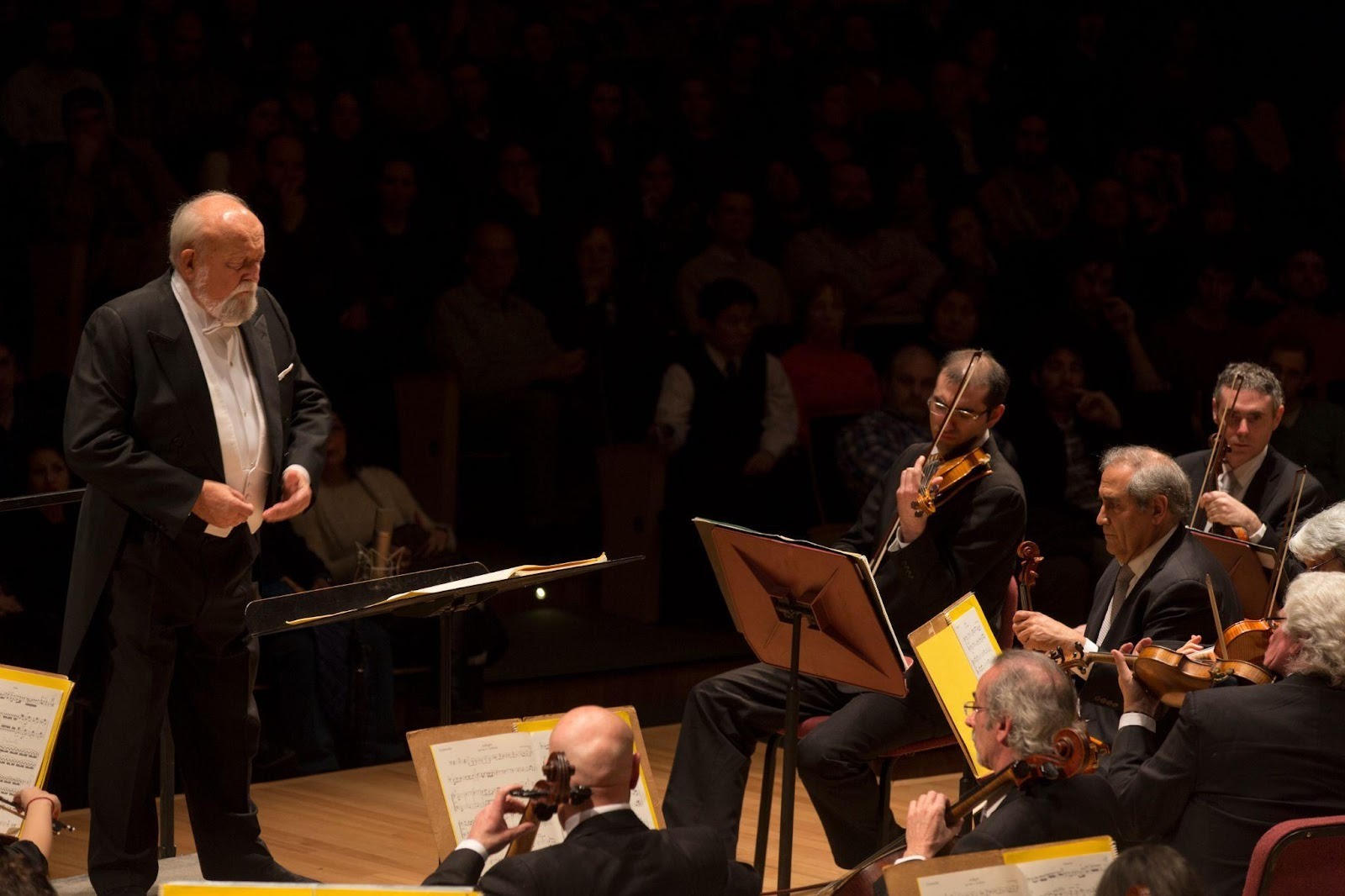
6. Krzysztof Penderecki: Turning the Century’s Cry into Music
Penderecki (track 10) revolutionised contemporary music with works that are bold and profoundly expressive. His Threnody for the Victims of Hiroshima, winner of the UNESCO International Composers’ Tribune in 1961, remains one of the most striking examples. Penderecki invented a way of writing memory into music.
7. Olga Tokarczuk: Mapping Invisible Worlds
Winner of the 2018 Nobel Prize in Literature, Tokarczuk builds novels like labyrinths. In The Books of Jacob, she intertwines forgotten history, spirituality, legends, and quests for identity to reveal a plural, shifting, and interconnected Poland.

These seven figures remind us that beyond the economic dynamism and the opportunities identified for CACIB, Poland is also fertile ground for artists whose influence extends far beyond its borders.